
Semiconductor CNC Machining Services in Singapore
Disk Precision supports semiconductor equipment manufacturers with high-precision CNC machined components used in advanced semiconductor manufacturing systems.
Precision CNC Machined Components for Semiconductor Equipment in Singapore
Semiconductor manufacturing equipment requires highly accurate components capable of maintaining performance in demanding production environments. In Singapore, CNC machined parts are used across semiconductor processing systems, inspection equipment, and electronic assemblies. These components are produced with tight tolerances and consistent quality to support reliability, repeatability, and cleanroom compatibility.

Wafer Handling Components
Wafer handling components are designed to support the safe and precise movement of wafers throughout production processes. These include end effectors, supports, and transfer parts that require smooth finishes and strict dimensional accuracy to prevent contamination or damage during handling.
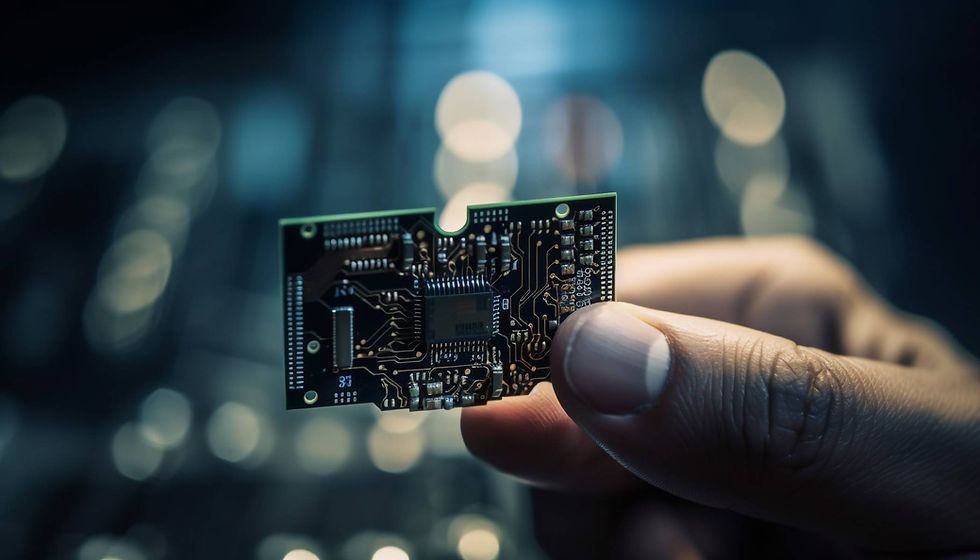
Precision Housings and Frames
Precision housings and frames provide structural support for semiconductor equipment, ensuring stability and alignment of internal systems. These components are machined to exact specifications to maintain rigidity while accommodating sensitive electronic and mechanical assemblies.

Vacuum Chamber Components
Vacuum chamber components are critical in processes such as etching and deposition, where controlled environments are required. These parts must meet strict sealing, surface finish, and material requirements to maintain vacuum integrity and process consistency.

Alignment and Positioning Components
Alignment and positioning components ensure precise movement and placement within semiconductor equipment. High accuracy is essential for maintaining correct positioning during inspection, testing, and processing stages, supporting consistent production outcomes.

Tooling Fixtures and Brackets
Tooling fixtures and brackets are used to secure components and assemblies during manufacturing and maintenance processes. These parts are designed for repeatability and durability, enabling efficient setup while maintaining precision across production cycles.
Why CNC Machining Is Essential for Semiconductor Equipment Manufacturing
CNC machining plays a critical role in semiconductor equipment manufacturing by delivering the precision, consistency, and complexity required for advanced production systems. In Singapore, adherence to recognised standards such as SAC accreditation helps ensure that components are tested, validated, and produced in line with global quality and safety requirements.
Semiconductor processes require extremely precise components to handle wafers without error or contamination. CNC machining enables the production of parts with exact dimensions and smooth finishes, supporting stable and repeatable wafer processing aligned with stringent industry standards.
Modern semiconductor equipment often involves intricate designs that cannot be achieved through conventional methods. CNC machining allows for the creation of complex geometries, including detailed internal features and multi-axis structures required for specialised equipment.
Maintaining tight tolerances is essential in semiconductor manufacturing, where even minor deviations can affect performance. CNC machining ensures consistent accuracy across components, supporting proper fit, alignment, and compliance with accredited testing and certification requirements.
CNC machining supports reliable and repeatable production, which is critical for equipment manufacturers operating at scale. This consistency ensures components meet required specifications while aligning with recognised accreditation frameworks that reinforce quality assurance across the electronics manufacturing value chain.

CNC Machining Capabilities Supporting Semiconductor Equipment
Disk Precision supports semiconductor equipment manufacturers with specialised machining services designed for high-precision components.
CNC milling is used to produce complex parts with high dimensional accuracy and fine surface finishes required in semiconductor applications. Disk Precision’s CNC milling services support the fabrication of intricate geometries, including slots, pockets, and detailed profiles used in wafer processing and inspection systems.
CNC turning enables the production of cylindrical and rotational components with tight tolerances. Through a reliable CNC turning service, Disk Precision manufactures precision shafts, rings, and connectors that are essential for alignment, motion control, and assembly within semiconductor equipment.
Besides machining, Disk Precision's metal fabrication services in Singapore support larger assemblies and structural components. This includes forming, cutting, and assembling metal parts used in semiconductor systems, ensuring strength, stability, and compatibility with cleanroom environments.

Materials Used for Semiconductor CNC Machining
Semiconductor equipment components are manufactured from specialised materials that provide durability, stability, and corrosion resistance.
Aluminium Alloys for Semiconductor Equipment
Aluminium alloys such as 6061 and 7075 are widely used due to their excellent strength-to-weight ratio and machinability. These materials support the production of lightweight yet structurally stable components used in wafer handling systems, frames, and precision housings.

Stainless Steel for Vacuum and Processing Systems
Stainless steel materials such as 304 and 316L provide strong corrosion resistance and durability in semiconductor processing environments. They are commonly used in vacuum chambers and critical system components.
Copper and Conductive Alloys
Copper and its alloys are used in semiconductor equipment where high thermal conductivity and electrical performance are essential. These materials support efficient heat dissipation and stable electrical connections within high-performance systems.

Engineering Plastics for Semiconductor Applications
Engineering plastics such as PEEK and PTFE are used in semiconductor systems where chemical resistance, low friction, and insulation properties are required. These materials are suitable for components exposed to harsh processing conditions while maintaining dimensional stability.

Surface Treatments and Finishing for Semiconductor Components
Surface finishing processes enhance durability and performance for semiconductor equipment components. These treatments help protect parts against corrosion, improve wear resistance, and maintain compatibility with semiconductor manufacturing environments.
Anodising is commonly applied to aluminium components to improve surface hardness and corrosion resistance. It also creates a stable oxide layer that supports cleanroom compatibility while enhancing durability in semiconductor equipment.
Passivation is used on stainless steel components to remove surface contaminants and improve corrosion resistance. This process helps maintain material integrity in environments exposed to chemicals and high-purity requirements.
Electroless nickel plating provides a uniform coating that enhances wear resistance and surface hardness. It is particularly useful for components requiring consistent thickness and protection in demanding semiconductor applications.
Precision surface finishing ensures smooth, controlled surfaces that meet strict tolerances. This is critical in semiconductor systems where surface quality can impact performance, cleanliness, and component interaction.
Additional corrosion protection treatments are applied to safeguard components from chemical exposure and environmental stress. These treatments help extend the lifespan of parts and maintain reliability within semiconductor manufacturing processes.

What Components Can Be Produced for Semiconductor and Electronics Equipment?
A wide range of precision components can be manufactured to support semiconductor and electronics equipment, each designed to meet strict requirements for accuracy, consistency, and performance.
Precision machined parts for hard disk drives include base plates, actuator components, and structural elements that require tight tolerances and smooth finishes. These components support reliable data storage performance and consistent operation.
Machined parts for consumer electronics include housings, connectors, and internal structural components used in devices such as smartphones, laptops, and electronic assemblies. These parts are produced with attention to detail to ensure proper fit, durability, and functionality.
Components for semiconductor equipment include wafer handling parts, vacuum system elements, and precision fixtures. These parts are manufactured to meet high standards of cleanliness, dimensional accuracy, and material performance required in advanced production environments.
Frequently Asked Questions
The following FAQs address key technical considerations in semiconductor CNC machining, including tolerances and production consistency.
Semiconductor components often require extremely tight tolerances, typically within microns, depending on the application. This level of precision ensures proper alignment, fit, and performance within sensitive equipment systems.
Yes, surface finishing is critical in semiconductor machining. Processes such as anodising, passivation, and precision polishing are used to improve corrosion resistance, reduce contamination risks, and meet cleanroom compatibility standards.
CNC machining is well-suited for producing complex geometries required in semiconductor equipment. Multi-axis machining allows for intricate designs, detailed features, and high-precision components that cannot be achieved through conventional methods.
CNC machining supports supply chains by enabling consistent, repeatable production of high-precision parts. This reliability helps equipment manufacturers maintain quality standards, reduce variability, and meet production timelines efficiently.