CNC Machining Medical Parts: Ensuring Precision and Reliability in the Medical Device Supply Chain

Key Takeaways
Precision manufacturing for medical components requires not only tight tolerances but also controlled processes and repeatable outcomes to ensure consistent performance in healthcare applications.
Material selection and surface finishing directly influence durability, cleanliness, and post-machining quality control, making them critical factors in maintaining product reliability.
Controlled production workflows and post-machining checks help ensure components meet required cleanliness, dimensional, and quality expectations before assembly.
Traceability and regulatory compliance, supported by detailed documentation and validated inspection methods, enable manufacturers to deliver consistent and reliable components for global supply chains.
Introduction
In today’s healthcare manufacturing landscape, CNC machining of medical parts plays a critical role in supporting the performance and safety of medical devices used across Thailand and global markets. Beyond tight tolerances, manufacturers must ensure each component delivers reliable performance, supports patient safety, and meets regulatory requirements. This is particularly important in high-precision applications such as surgical instruments and diagnostic systems, where reliability directly affects clinical outcomes.
Precision Engineering for Healthcare-Grade Components
CNC machining of medical parts requires advanced engineering capabilities that extend beyond conventional processes. In the context of medical device CNC machining, these capabilities are essential for achieving the precision and consistency required in regulated healthcare applications. Multi-axis CNC systems enable the creation of complex geometries with micron-level accuracy, supporting components used in surgical instruments, diagnostic devices, and specialised equipment housings within Thailand’s regulated manufacturing environment.
Multi-Axis Capability and Complex Geometry
Multi-axis machining enables the production of intricate geometries that are not achievable through standard machining approaches. By allowing simultaneous movement across multiple axes, manufacturers can produce detailed features, internal contours, and precise profiles required for medical assemblies. This capability supports the development of components that must integrate seamlessly into compact or highly engineered medical systems.
Repeatability and Micron-Level Accuracy
Consistent performance across production batches is equally important in medical manufacturing. CNC systems are designed to deliver repeatable micron-level accuracy, ensuring that each component meets the same dimensional requirements regardless of production volume. Through the use of advanced precision machining, manufacturers in Thailand maintain process stability and uniform output across large-scale production, while supporting strict quality expectations in healthcare applications.
Material Expertise and Surface Quality
Material selection and finishing processes are critical considerations in medical component manufacturing, as they directly influence durability, safety, and long-term performance in clinical environments. Each material must be evaluated based on its mechanical properties, corrosion resistance, and suitability for controlled production, cleaning, and inspection requirements within regulated manufacturing conditions.
Selecting Materials for Medical Applications
The choice of material determines how a component performs under operational and environmental conditions. Titanium is commonly used for its strength and corrosion resistance, while stainless steel provides durability and cost efficiency across a range of applications. Engineering plastics such as PEEK are also applied where lightweight performance is required. When working with biocompatible materials, machining processes must preserve material integrity throughout production to ensure suitability for medical use.
Surface Finishing and Component Cleanliness
Surface quality plays a significant role in maintaining cleanliness and usability in medical devices. Controlled surface finishes help reduce the risk of contamination and support post-machining cleaning and inspection processes. Precision machining ensures that surfaces are consistent and free from irregularities, enabling components to meet cleanliness and quality expectations required in Thailand’s medical manufacturing sector and international healthcare supply chains.
Controlled Production and Post-Machining Quality Checks
Maintaining cleanliness is a fundamental requirement in CNC machining of medical parts, particularly for components used in sensitive healthcare applications. Manufacturers can support component quality through controlled production workflows, careful handling, and structured post-machining checks that help reduce contamination risks before assembly or delivery.
After machining, components may require cleaning, dimensional verification, and visual inspection to ensure that surfaces, features, and tolerances remain within specified requirements. These checks help confirm that parts are suitable for downstream assembly and further processing by medical device manufacturers. For providers offering medical CNC machining services, this disciplined approach supports reliable component quality through process control, inspection, and careful handling at each stage of production.
Traceability, Validation, and Regulatory Alignment
The reliability of precision-machined medical components depends on a connected system of traceability, verification, and compliance. Each stage of production must be documented, measured, and aligned with recognised standards to ensure that components consistently meet medical manufacturing requirements.
Documentation and Digital Traceability
Traceability begins with comprehensive documentation that records material origins, machining parameters, and production data. These records provide visibility across the entire manufacturing process, allowing each component to be tracked from raw material to final inspection. This level of transparency forms the foundation for quality control and supports accountability throughout the supply chain.
Inspection and Measurement Systems
Building on traceability, inspection processes verify that all recorded specifications are met in practice. Advanced tools such as coordinate measuring machines provide precise dimensional analysis, ensuring that each component aligns with required tolerances. Through structured precision machining solutions, manufacturers can validate product consistency and detect any deviations before components proceed further in the supply chain.
Alignment with Regulatory Standards
Validated data and inspection outcomes support compliance with recognised quality frameworks. International standards define widely recognised medical device quality requirements for manufacturing processes. Manufacturers must ensure that their processes meet the regulatory and quality expectations of their customers and target markets. This integrated approach allows manufacturers in Thailand to supply components confidently to global markets while maintaining consistent regulatory alignment.
Delivering Consistent Quality Through Regional Expertise
Consistency remains a defining factor in the success of CNC machining of medical parts within the medical device supply chain. Manufacturers must maintain stable processes, experienced engineering teams, and disciplined quality control systems to ensure reliable output across production cycles.
Thailand has established itself as a regional hub for precision engineering, supported by technical expertise and established manufacturing capabilities. With growing demand from the medical device sector, manufacturers are increasingly expected to deliver not only precision but also validated processes and traceable outcomes. By integrating advanced CNC technologies with structured process control, manufacturers are able to support a wide range of industries that require high-precision components. This extends beyond the medical sector to aerospace, automotive, and electronics, where precision and reliability are equally critical.
Conclusion
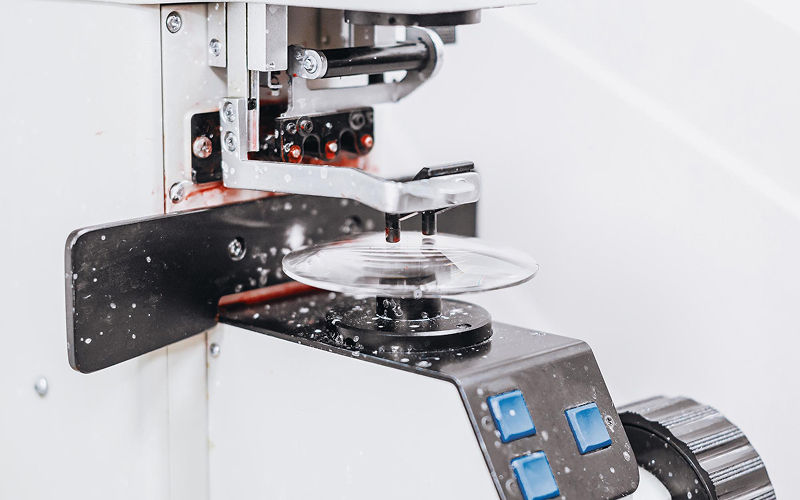
The production of medical components requires a level of precision and accountability that extends beyond standard manufacturing practices. From engineering capability and material selection to post-machining quality checks and regulatory alignment, every stage of CNC machining of medical parts contributes to the performance and safety of medical devices. In Thailand’s evolving manufacturing landscape, companies that prioritise precision, traceability, and compliance are well-positioned to support global supply chains and meet the expectations of regulated industries.
Manufacturers in the medical device sector require partners who can deliver both technical precision and process reliability. If your operations involve precision-machined medical components that demand traceability, validated processes, and consistent quality, Disk Precision Group Thailand supports these requirements through controlled CNC production and disciplined quality systems. To assess how these capabilities can support your specific applications, connect with our team at Disk Precision Group Thailand to discuss your project requirements, component specifications, and production scope.


ความคิดเห็น