Automotive Parts Produced More Efficiently Using CNC Technology
Modern vehicles rely on a large number of precision components that must fit and function accurately within complex systems. CNC machining supports the efficient production of these parts by delivering consistent dimensional control and repeatable quality. Our automotive CNC machine capabilities enable manufacturers to produce components that meet performance and reliability requirements across automotive applications.

Fuel Injector Components
We manufacture fuel injector components that require precise tolerances and consistent geometry to support efficient fuel delivery and engine performance.

Engine and Powertrain Parts
Our machining capabilities support engine and powertrain components that operate under high stress and temperature conditions, requiring durability and accurate fit within mechanical systems.

Suspension System Components
We produce suspension system components that require strength, dimensional accuracy, and consistent quality to support vehicle stability and performance.

Automotive Connectors and Fittings
We machine connectors and fittings used in automotive systems, where precise dimensions and reliable connections are essential for proper function.

Mounting Brackets and Structural Parts
Our capabilities include the production of mounting brackets and structural components that provide support and alignment within automotive assemblies, requiring consistent geometry and reliable performance.
Why CNC Machining Is Important for Car Manufacturing
CNC machining plays a key role in automotive manufacturing by supporting the production of components that require precision, consistency, and compliance with regulatory standards. This is especially relevant given strict laws in Vietnam on technical safety quality, which can be achieved by CNC machining, where manufacturers must meet defined technical, inspection, and documentation requirements before components are approved for use.
Automotive systems such as engines and fuel delivery rely on components with tight tolerances and consistent dimensional accuracy. CNC machining supports precise feature generation and helps ensure components meet performance requirements during inspection, testing, and certification processes required by authorities.
Modern vehicles incorporate complex components with multiple features and geometries. CNC machining enables the production of these parts with accurate alignment and consistent quality, supporting compliance with technical standards verified through dimensional checks and functional validation.
CNC machining provides repeatable and stable production processes that support consistent part quality. This is important when manufacturers must demonstrate conformity through inspection reports, material certifications, and process documentation as part of regulatory approval submissions.
CNC machining supports both prototype development and large-scale production. This allows manufacturers to validate new designs through testing and certification, and then scale production while maintaining consistent quality required for continued regulatory compliance.
CNC Machining Capabilities for Automotive Parts
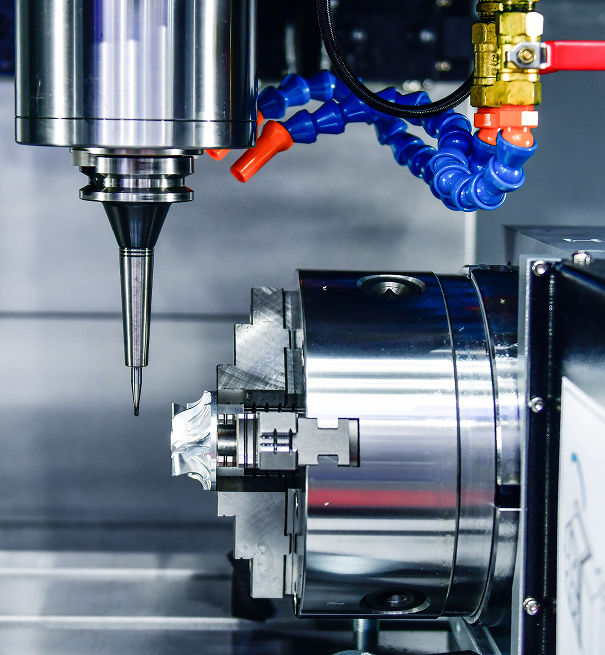
Disk Precision provides a range of machining and fabrication capabilities to support the production of automotive components requiring precision, consistency, and reliable performance. Our automotive CNC machine capabilities are integrated to support different stages of automotive manufacturing.
Our CNC milling services support the machining of automotive components with accurate feature placement, multi-surface machining, and consistent dimensional control. These capabilities are suited for parts that require complex geometries and tight tolerances.
- Error: empty slot
We provide custom metal fabrication capabilities to support automotive structures and assemblies. This includes fabrication, welding, and integration with machined components to deliver production-ready parts that meet application requirements.

Materials Used for Automotive CNC Machined Parts
Automotive components are manufactured using materials selected for strength, durability, and performance under operating conditions. Disk Precision supports a range of materials suited for automotive applications through controlled machining processes.

Aluminum for Lightweight Car Parts
Aluminum is commonly used for automotive components because it is strong and lightweight. It supports weight reduction while maintaining structural integrity and performance.

Steel for Engine and Powertrain Components
Steel is used for components that require high strength and durability, particularly in engine and powertrain systems that operate under demanding conditions.

Stainless Steel for Durable Automotive Parts
Stainless steel provides corrosion resistance and long-term durability, making it suitable for automotive parts exposed to harsh environments and operating conditions.

Engineering Plastics for Specialized Automotive Parts
Engineering plastics are used in specialized applications where reduced weight and specific mechanical or thermal properties are required, supporting improved efficiency and performance.

Surface Finishing for Automotive Components
Surface finishing helps protect automotive parts from wear and corrosion while improving durability and performance. These processes enhance surface integrity and support long-term reliability in vehicle systems.
Anodizing improves corrosion resistance and surface hardness for aluminum components, supporting durability in automotive applications.
Passivation removes surface contaminants and enhances corrosion resistance in stainless steel components, helping maintain material performance.
Electroless nickel plating provides uniform coating thickness and improves wear and corrosion resistance for automotive parts.
Precision surface finishing improves surface smoothness and dimensional accuracy, supporting components that require controlled tolerances.
Corrosion protection treatments extend component lifespan and help maintain performance in challenging automotive environments.

What Automotive Parts Can Be Made with CNC Machining?
CNC machining supports the production of a wide range of automotive components that require precision, repeatability, and consistent quality across manufacturing stages.
We manufacture fuel injector parts that require tight tolerances and consistent geometry to support efficient fuel delivery and engine performance.
Our capabilities support engine components that operate under high stress and temperature conditions, requiring durability and accurate fit.
We produce suspension components that support vehicle stability and performance, requiring strength and consistent dimensional accuracy.
We manufacture structural parts that provide support and alignment within automotive assemblies, requiring reliable performance and consistent geometry.
Frequently Asked Questions About Automotive CNC Machining
This section addresses common technical questions related to automotive CNC machining, focusing on quality control, production consistency, and evolving vehicle technologies.
Manufacturers check part quality through dimensional inspection, material verification, and testing processes. This includes using measurement tools, inspection reports, and quality control systems to ensure components meet technical and safety requirements.
Yes, CNC machined parts can be used in car repair, particularly for replacement components that require precise dimensions and reliable performance. These parts help ensure compatibility and proper function within existing vehicle systems.
CNC machining supports the production of components used in modern vehicles, including electric vehicles. It enables precise manufacturing of parts that require lightweight materials, tight tolerances, and consistent quality.
Yes, CNC machined parts can be used in car repair, particularly for replacement components that require precise dimensions and reliable performance. These parts help ensure compatibility and proper function within existing vehicle systems.

Home > Industries > Automotive CNC Machining
Precision CNC Machining for the Automotive Industry
Disk Precision supports automotive manufacturers and suppliers with precision CNC machined components used across modern vehicle systems. Our automotive CNC machine capabilities produce parts for engines, fuel systems, and suspension systems, supporting consistent quality, dimensional accuracy, and reliable performance in automotive applications.