
Medical Device CNC Machining Services in Singapore
Precision CNC machining supports the production of high-accuracy components used in medical devices and equipment. These parts are manufactured to meet strict requirements for dimensional precision, surface quality, and material performance, ensuring reliability and consistency in healthcare applications.
Precision CNC Machined Components for Medical Device Manufacturing in Singapore
Medical device manufacturing requires high-precision components that meet strict standards for accuracy, consistency, and material performance. In Singapore, CNC machined parts are used in medical devices, diagnostic systems, and supporting equipment. These components are produced with tight tolerances and controlled surface finishes to support reliability, safety, and long-term performance.
Surgical Instrument Components
Precision CNC machining is used to produce components for surgical instruments, including handles, tips, and specialised fittings. These parts require fine tolerances and smooth surface finishes to support precision handling and consistent performance during medical procedures.

Medical Pump and Valve Parts
Components used in medical pumps and valve systems require accurate dimensions and reliable sealing performance. CNC machining supports the production of these parts with controlled tolerances to ensure proper flow regulation and operational stability in healthcare equipment.

Diagnostic Equipment Housings
CNC machined housings are used in diagnostic equipment to provide structural support and protection for sensitive internal components. These housings are designed for dimensional accuracy and compatibility with electronic systems used in medical diagnostics.

Orthopaedic Device Components
Orthopaedic applications require precision components that meet strict requirements for strength, fit, and reliability. CNC machining is used to produce parts that support medical devices used in treatment and rehabilitation, ensuring consistent quality and performance.

Precision Brackets and Structural Parts
Brackets and structural components are used to secure and align medical equipment systems. These parts are manufactured with tight tolerances to ensure stability, proper assembly, and long-term durability in healthcare environments.
Why CNC Machining Is Used in Medical Device Manufacturing in Singapore
CNC machining is widely used in medical device manufacturing to achieve high precision, consistent quality, and reliable production across components. In Singapore, manufacturers align with HSA standards for medical device and relevant Singapore Standards (SS) to ensure that components are produced in accordance with recognised safety, quality, and regulatory frameworks.
CNC machining enables tight tolerances and accurate dimensions required for medical device components. This ensures proper fit, alignment, and reliable performance in applications that must meet regulated standards.
Medical devices often require intricate designs and detailed features. CNC machining supports the production of complex geometries with high accuracy, allowing for specialised components used in advanced medical equipment.
CNC machining provides repeatable and stable production processes, ensuring consistent quality across batches. This is essential for maintaining compliance with regulatory frameworks and supporting device reliability.
CNC machining supports both prototyping and full-scale production, allowing manufacturers to develop, test, and refine components before scaling up. This ensures efficiency while maintaining precision across production volumes.

CNC Machining Capabilities for Medical Device Components
Our CNC machining capabilities support the production of high-precision components used in medical devices and equipment, ensuring accuracy, consistency, and reliable performance across healthcare applications.
Our CNC milling services are used to produce complex medical device components with detailed geometries and fine surface finishes. These parts are manufactured with tight tolerances to support precision fit and function in diagnostic and surgical equipment.
Through our CNC turning service, we produce cylindrical and rotational components such as shafts, connectors, and fittings. These parts require high dimensional accuracy and smooth finishes to ensure proper performance in medical systems.
We provide metal fabrication capabilities to support structural components and assemblies used in medical equipment. This includes forming and assembling metal parts that provide strength, stability, and integration within healthcare systems.

Materials Used in Medical Device CNC Machining
Medical device components are machined from specialised materials selected for strength, corrosion resistance, and compatibility with healthcare applications.

Titanium Alloys for Medical Devices
Titanium is commonly used for implantable components due to its strength, corrosion resistance, and biocompatibility. It is suitable for high-performance medical applications.

Stainless Steel for Surgical Instruments
Medical-grade stainless steel such as 316L is widely used for surgical tools and device components, offering durability, corrosion resistance, and ease of sterilisation.

Aluminium for Medical Equipment Components
Aluminium alloys are used in medical equipment housings and structural components, providing lightweight strength and good machinability for precision applications.

Engineering Plastics for Medical Applications
Materials such as PEEK and PTFE are used in specialised medical devices and equipment, offering chemical resistance, insulation properties, and stability in demanding environments.

Surface Treatments and Finishing for Medical Device Components
Medical device components often require specialised finishing processes to enhance durability, corrosion resistance, and cleanliness.
Anodising is applied to aluminium components to improve surface hardness and corrosion resistance. It also creates a stable, clean finish suitable for medical equipment used in controlled environments.
Passivation is used on stainless steel to remove surface contaminants and enhance corrosion resistance. This process supports material integrity and cleanliness required for medical device applications.
Electroless nickel plating provides a uniform coating that improves wear resistance and surface protection. It is suitable for components requiring consistent coverage and durability.
Precision surface finishing ensures smooth surfaces and controlled finishes, which are important for performance, hygiene, and compatibility with medical device requirements.
Additional corrosion protection treatments are applied to extend component lifespan and maintain performance in environments exposed to moisture, cleaning agents, and sterilisation processes.
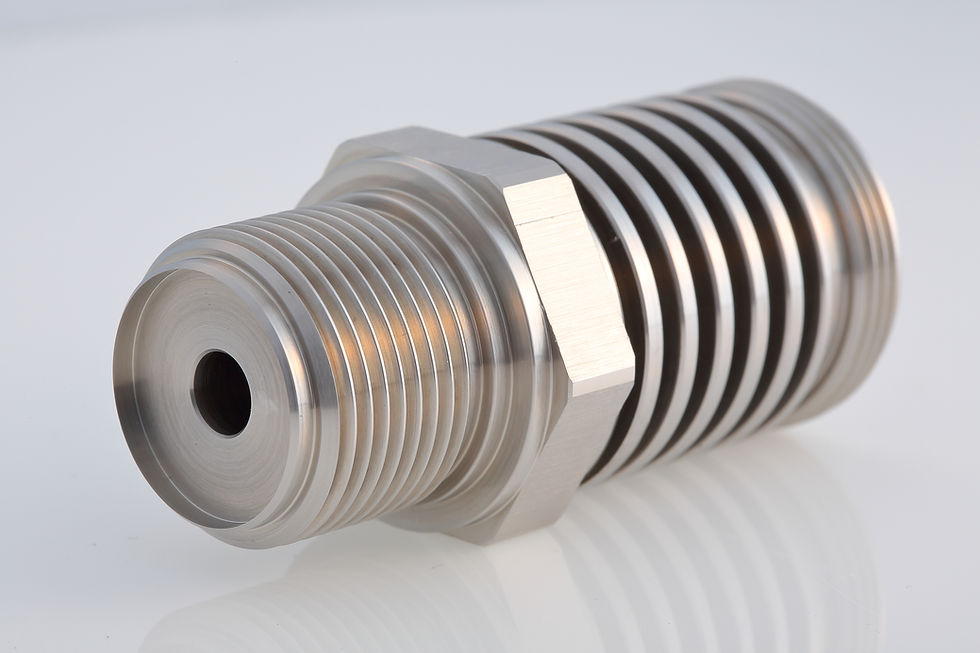
What Medical Device Components Can Be Produced with CNC Machining?
CNC machining supports the production of high-precision components used across medical devices and equipment, ensuring accuracy, consistency, and reliability for healthcare applications.
CNC machining is used to produce components for surgical instruments, including handles, tips, and precision fittings. These parts require tight tolerances and smooth finishes to support accurate handling and performance.
Orthopaedic components require strength, precision, and reliable fit. CNC machining enables the production of parts used in support devices and treatment systems, ensuring consistent quality and performance.
Components used in diagnostic equipment include housings, connectors, and internal structural parts. These are machined with high accuracy to support proper function and integration within medical systems.
Structural parts such as brackets and frames are used to support and align medical equipment. CNC machining ensures these components meet required specifications for stability, durability, and assembly.
Frequently Asked Questions
These frequently asked questions cover essential aspects of medical device CNC machining, including precision requirements, material suitability, and finishing standards.
Medical device components typically require very tight tolerances, often within microns depending on the application. This ensures proper fit, alignment, and reliable performance in critical healthcare equipment.
Common materials include titanium alloys, stainless steel (such as 316L), aluminium alloys, and engineering plastics like PEEK and PTFE. These materials are selected for their strength, corrosion resistance, and suitability for medical use.
Yes, CNC machining supports both prototyping and production. It allows manufacturers to develop and validate component designs before scaling up, ensuring consistency and performance across production batches.
Typical finishing processes include anodising, passivation, electroless nickel plating, and precision surface finishing. These processes enhance corrosion resistance, surface quality, and cleanliness required for medical applications.